
information
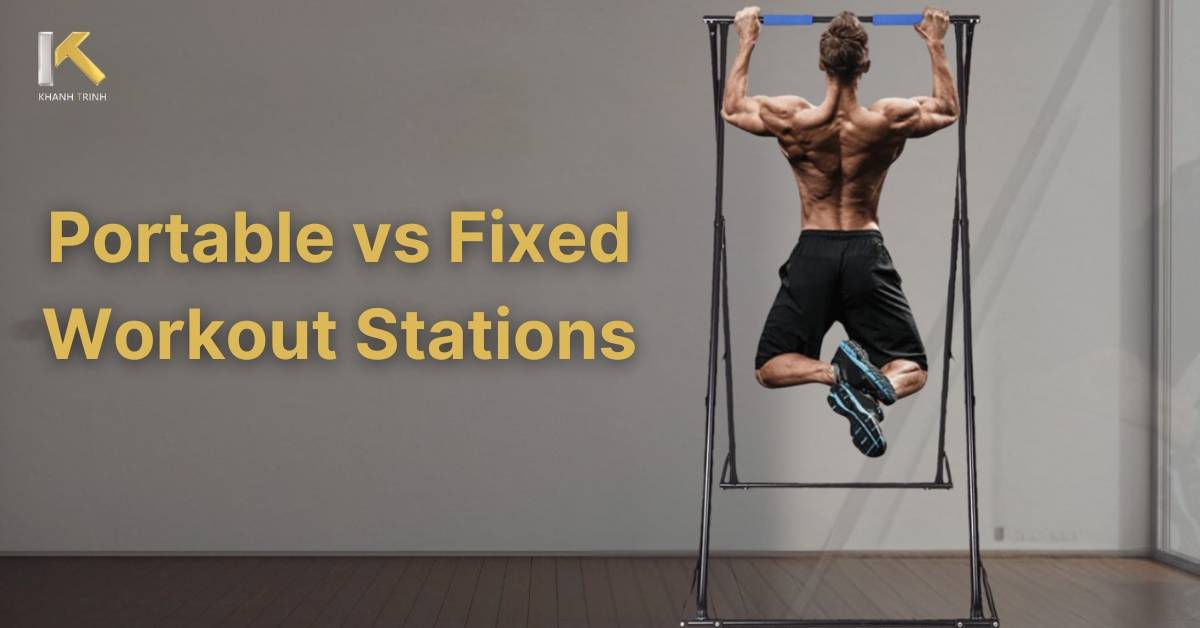
Portable vs Fixed Workout Stations: Which One Suits Your Lifestyle?
Apr
Does your workout routine need to adapt to your on-the-go lifestyle, or are you searching for a dedicated space to commit to long-term gains?
Finding the right workout setup is key to staying motivated and achieving your fitness goals. While some prefer the freedom to exercise anywhere, others thrive with a permanent station that fosters routine and progression.
With the rising trend of home fitness, the debate about portable vs fixed gym setups has intensified.
It has become a constant quest that whether would a portable dip bar be a practical choice or does a fixed station offers more stability and versatility.
Let’s break down the benefits and limitations of both to help you make a choice that fits your lifestyle.
The Rise of Personalized Workout Setups
In recent years, the way we approach fitness has shifted dramatically. According to a report, the global home fitness equipment market is expected to reach $21.4 billion by 2035, with an average annual growth rate of 8.2% between 2024 and 2035.
This trend underscores a broader transformation in fitness habits. People are no longer settling for one-size-fits-all workout options—they seek equipment that adapts to their space, schedule, and goals. Whether it’s a portable dip bar for versatility or a fixed station for stability, choosing the right setup has become a key part of personalizing a fitness routine.
With this shift, the question arises: should you go for a portable vs fixed gym setup? Is a space-saving, versatile KT foldable training stand your best bet, or does a robust, fixed exercising station better match your long-term fitness goals?
Your ideal setup depends on how you train, where you train, and the level of commitment you seek.
Key Considerations: Choosing the Right Workout Station
When selecting the ideal workout station, several factors come into play. It’s not just about picking equipment- it’s about aligning your fitness setup with your goals, lifestyle, and available resources.
Let’s break down the key aspects to help you make an informed decision.
Space Availability
Setting up your workout station requires careful consideration of your available space. If you’re transforming a spacious garage or a dedicated room for workouts, a fixed space can be a powerhouse addition.
But what if you’re working with limited space? Do you really want bulky equipment taking over your living area? If your workout zone is a corner of a bedroom or a living room, a KT Foldable Training Stand might be the perfect space-saving solution.
Budget and Investment
Creating a fixed station will often cost you a higher price due to its durability and multifunctionality. On the other hand, portable stations provide a cost-effective yet effective experience.
Would you rather invest in a long-term setup, or do you need something affordable that still delivers great results? Assess your financial capacity and willingness to invest long-term in your fitness journey.
Training Goals and Intensity
Are you into heavy lifting or advanced strength training? A fixed station’s stability supports complex movements without compromising safety. For those more focused on maintaining general fitness or bodyweight exercises, a portable gym setup can deliver the desired results without overwhelming equipment choices.
Workout Variety and Versatility
At a fixed space, you can perform a diverse range of exercises, accommodating everything from pull-ups to leg presses. Although portable stations are versatile, they may have limitations when it comes to resistance levels and advanced exercises.
Additionally, exploring standalone pull-up bars can add variety and effectiveness to your routine.
Durability and Maintenance
Fixed stations are built to last, often crafted from heavy-duty materials that withstand years of use. Portable stations, while generally sturdy, may experience wear and tear more quickly due to frequent assembly and disassembly. Evaluating the maintenance effort required for each option is crucial.

Who Are These Stations Best Suited For?
Not all workout stations are created equal, and their suitability largely depends on your fitness level, lifestyle, and exercise preferences. Understanding which setup works best for specific groups can help you make a choice that complements your daily routine.
If flexibility and convenience are your top priorities, let’s explore who benefits most from each type.
Portable Stations
- Beginners and Casual Exercisers: A portable station with pull-up bars can maximize your workout and ease you into the world of fitness without overwhelming commitment.
- Frequent Travelers: If you’re always on the move but need to keep up with your fitness, a portable setup, like a free-standing pull-up bar or KT foldable training stand, is ideal.
- Busy Professionals: With home setups becoming more common, portable stations fit seamlessly into your living space.
- People with Limited Space: Living in a small apartment or shared space? Portable types of equipment like Foldable pull-up bar stand and Pull up dip station stashes away easily.
Fixed Stations
- Serious Lifters and Strength Trainers: If you’re looking to build serious muscle and need consistent, stable support, fixed stations have your back.
- Families or Shared Households: Fixed setups can accommodate multiple users with varied fitness levels.
- Home Gym Enthusiasts: If fitness is a lifestyle, investing in a dedicated, durable setup makes sense.
- Athletes and Fitness Competitors: Those with specific training goals will benefit from the precision and stability of fixed stations.
- Long-term Fitness Commitment: If you see fitness as a permanent part of your routine, a fixed station offers longevity.
Pros and Cons Breakdown: Which Station Fits Your Lifestyle?
So, are you still unsure which setup is right for you? Do you find it frustrating to carve out enough space at home, or do you struggle with staying consistent because you’re always on the move?
Understanding your biggest fitness roadblocks and weighing the advantages and drawbacks of both portable and fixed gym setups can help narrow down your decision.
Portable stations are versatile, affordable, and space-saving but may lack the stability needed for heavy lifting. Fixed stations, while sturdy and versatile, demand space and a higher investment.
Portable Stations Pros:
- Cost-effective
- Space-efficient and travel-friendly
- Easy to assemble and store
Portable Stations Cons:
- Limited resistance for advanced strength training
- Less stable for high-intensity workouts
Fixed Stations Pros:
- Highly durable and stable
- A broad range of exercises and resistance levels
- Suitable for long-term, intensive training
Fixed Stations Cons:
- Higher cost and space requirements
- Less flexibility in repositioning or relocation
Conclusion
Ultimately, choosing between a portable or fixed workout station is a personal decision influenced by your lifestyle, fitness goals, and available space. If portability, versatility, and cost-effectiveness appeal to you, exploring portable solutions like those from Khanh Trinh can be rewarding.
Explore our portable training options and find the perfect fit for your fitness routine!
Have questions? Reach out to [email protected] for expert guidance!